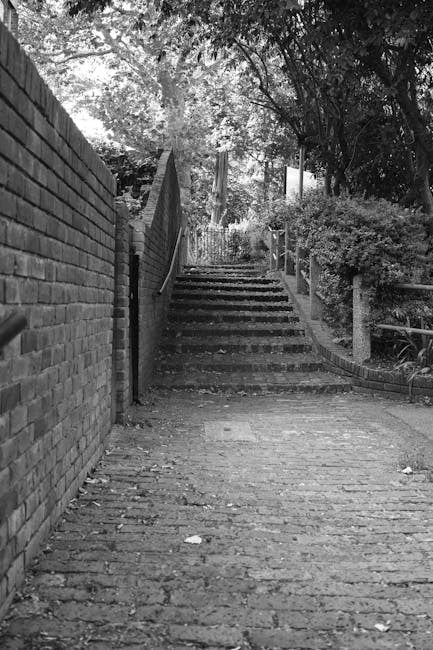
Narrow access removals Kingston parking and stairs issues: a practical guide for smoother moves in Kingston
If you are dealing with Narrow access removals Kingston parking and stairs issues, you already know the problem is rarely just "moving day stress". It is the awkward corner in the hallway, the double yellow lines outside, the tiny lift that barely fits one box, and the feeling that every extra step adds time, risk, and cost. In Kingston, where older terraces, flats above shops, shared entrances, and tight residential streets are common, narrow access can turn a straightforward move into a logistical puzzle.
This guide breaks down what narrow access removals actually involve, why parking and stairs matter so much, and how to plan in a way that keeps the day calm and efficient. You will also find a practical checklist, common mistakes to avoid, and a realistic look at the decisions that make the biggest difference. Truth be told, the best moves are usually the ones planned before the first box is lifted.
Why Narrow access removals Kingston parking and stairs issues Matters
Narrow access changes the entire shape of a removal. It affects how furniture is carried, where the van can stop, how many trips are needed, and whether large items can safely make it out without damage. When parking is limited, even a short move can take longer than expected. Add a steep staircase, a tight turn on the landing, or a narrow front path, and suddenly the removal crew is doing constant micro-adjustments just to keep things moving.
In Kingston, this matters even more because local properties can vary so much. One street might have easy kerbside access, while the next has a narrow entrance, resident-only parking, or a flight of stairs that seems to go on forever. If your move involves a top-floor flat, basement storage, or a period property with awkward corridors, planning for access is not optional. It is the difference between a move that feels under control and one that feels like a small disaster before lunch.
Parking and stairs are not separate problems either. They feed into each other. If the van has to park far away, the carry distance becomes longer. If the stairwell is tight, items need to be broken down, wrapped differently, or moved by smaller teams. And yes, that can affect timing, labour, and the overall quote. A good plan acknowledges all of that upfront instead of pretending it will sort itself out on the day.
Expert summary: The safest narrow access moves are usually the ones where the parking plan, staircase layout, item sizes, and packing approach are all checked together before moving day. Miss one piece, and the whole process gets harder than it needs to be.
If you are comparing move types, it can help to look at broader support options such as man with van services or more structured home moves support, especially when the property access is tight and the job needs careful loading.
How Narrow access removals Kingston parking and stairs issues Works
At a practical level, narrow access removals are about reducing friction. The move is broken into stages: assessing access, planning parking, preparing items, choosing the right vehicle and crew size, and carrying everything in a safe order. That sounds simple. It rarely is. But it can be managed well.
The process often starts with a quick access review. This might be as straightforward as looking at photos, measuring stair widths, checking whether bulky items can turn at the top landing, and working out whether the van can be positioned close enough to the entrance. In some cases, the loading point is obvious. In others, it is a bit of a puzzle. The aim is to avoid surprises like a sofa that fits through the front door but cannot make the turn in the hallway. Annoying? Very. Uncommon? Not at all.
Then comes parking. In Kingston, this can mean planning for controlled parking zones, visitor bays, permits, or simply the practical reality that a street fills quickly. If the vehicle cannot stop near the property, movers need a safer carrying strategy, more time, and possibly additional equipment. Carrying a wardrobe 40 metres down a wet pavement is a different job from carrying it 4 metres to the kerb. Anyone who has done both will tell you that.
Stairs introduce the next layer. Stairs change balance, posture, and pace. Heavy items may need to be carried by two people, and some pieces are better taken apart in advance. Good movers will think about grip points, wrapping, floor protection, and how to avoid banging paintwork on turns. It is not glamorous work. It is just careful work.
For commercial or office relocations, the same principles apply, only with more pressure on downtime and access windows. If that sounds familiar, related support such as commercial moves and office relocation services can be useful when the building layout is awkward and the move must stay efficient.
Key Benefits and Practical Advantages
When narrow access is handled properly, the benefits show up in all the places people care about most: time, safety, cost control, and fewer headaches. Here is what that looks like in the real world.
- Less risk of damage: Careful route planning reduces knocks to walls, banisters, door frames, and furniture.
- Smoother timing: Parking and stair planning keep the move on schedule instead of creating delays mid-job.
- Better handling of large items: Sofas, wardrobes, mattresses, and appliances can be prepared properly.
- Lower physical strain: A shorter, safer carrying route means less fatigue for everyone involved.
- Clearer expectations: You know what is realistic before the crew arrives, which helps avoid confusion.
There is also a quieter benefit that people often underestimate: confidence. When you know the parking plan, stair route, and item list have been thought through, the whole move feels less chaotic. You stop second-guessing every small decision. That matters, especially on a day when the kettle is packed, the phone battery is low, and there is always one missing charger hiding somewhere in a drawer.
If you are dealing with a bulky sofa, appliance, or a piece that may not be worth taking up narrow stairs, disposal or collection support can also help. Relevant options include furniture pick-up, mattress and sofa disposal, and fridge and appliance removal.
Who This Is For and When It Makes Sense
Narrow access removals are not just for "difficult" properties. They make sense for a wide range of moves across Kingston and nearby streets where access is naturally limited. A move may need this kind of planning if any of the following apply:
- you live in a flat with a shared stairwell or no lift
- your home has narrow hallways or sharp turns
- parking is restricted, permit-based, or far from the entrance
- you are moving a sofa, wardrobe, piano-style item, or other bulky furniture
- the property has low ceilings, split levels, or awkward basement access
- you need the move completed with minimum disruption to neighbours
It is also relevant for landlords, letting agents, and people helping relatives move. Sometimes the issue is not the size of the property. It is the combination of a few small obstacles that stack up quickly. A second-floor flat with a tight stair bend and no parking outside can be a bigger challenge than a larger house with easy access.
If you are planning a house move rather than a simple transport job, you may also find house removalists and man and van support useful depending on how much help you need. Sometimes a smaller, more flexible setup is exactly the right call.
Step-by-Step Guidance
Here is a practical way to approach a narrow access move without making it more complicated than it needs to be.
- Map the access route. Walk from the front door to the van stop point. Note stair width, turns, low ceilings, door swings, and anything that might catch on fabric or corners.
- Check parking realities. Look at whether the vehicle can stop close by, whether a permit is needed, and whether there is enough space for loading without blocking traffic or neighbours.
- List the bulky items first. Sofas, beds, wardrobes, appliances, and desks usually decide the plan. Boxes are easier. Large furniture is what changes the whole move.
- Decide what should be dismantled. Flat-pack furniture, bed frames, and some wardrobes are often safer in pieces. Don't wait until the van is outside to find that out.
- Use the right protection. Blankets, wraps, tape, and floor coverings can prevent scuffs and help items pass through tighter spaces.
- Sequence the loading carefully. Often the biggest or heaviest item should be handled first, while the route is fresh and the crew has the most energy.
- Build in slack time. Narrow access moves usually take longer than people expect. A little breathing room helps.
A useful rule of thumb: if you are unsure whether something will fit, check before the move, not during it. That small bit of planning can save a lot of awkward silence at the top of the stairs.
Expert Tips for Better Results
These are the small things that make a big difference, especially in older Kingston properties where access is just a bit tricky. Not dramatic. Just enough to matter.
- Measure the narrowest points, not the widest ones. A wide room means very little if the landing turn is too tight.
- Photograph the route. Pictures of staircases, doorways, and parking outside give a much clearer picture than memory alone.
- Keep essentials separate. Kettle, documents, medication, phone chargers, and keys should not be buried under cushions and laundry bags.
- Protect the building as well as the furniture. Banister rails and door frames are often the first things to suffer when everyone is rushing.
- Think about weather. Rain, damp steps, and muddy pavements make carrying more slippery and more stressful.
One good habit is to do a "walk-through" the day before. Stand in the hallway and imagine carrying the largest item out without turning it sideways three times. It sounds basic. It works.
If you are packing yourself, support from packing and unpacking services can save real effort. Proper packing matters more in narrow access moves because neat, sturdy loads are easier to carry, stack, and protect.
A slightly humorous but honest note: if a box is so heavy you need to bargain with it before lifting, it is probably too heavy. Split it. Your back will thank you later.
Common Mistakes to Avoid
Most problems in narrow access removals are predictable. That is the good news. The bad news is that people keep making the same ones.
- Assuming the van can park right outside. Streets change, loading bays fill, and access can disappear ten minutes before arrival.
- Forgetting about stair turns. A straight staircase is one thing. A bend with a landing is another entirely.
- Not measuring furniture properly. "It should fit" is not a measurement.
- Leaving dismantling too late. If a bed frame needs to come apart, do it early while tools are handy and stress is low.
- Packing fragile items badly. Tight access means more carrying and more opportunity for movement inside boxes.
- Ignoring neighbour and building access rules. In shared buildings, poor planning can create avoidable friction.
There is also the classic mistake of not being honest about the property. People often soften the description because they do not want to sound difficult. Fair enough. But if the stairwell is narrow, say so. If the parking is two minutes away, say so. If the sofa has a habit of catching on the turn, absolutely say so. That honesty helps everyone.
Tools, Resources and Recommendations
You do not need a warehouse full of specialist kit to manage a tight-access move, but a few practical tools make life easier.
- Furniture blankets and wraps: Help protect surfaces in stairwells and tight hallways.
- Ratchet straps and strong tape: Useful for securing loads once items are dismantled or grouped.
- Basic measuring tape: Still one of the most valuable things in the house on moving week.
- Gloves with grip: Handy for box handling and awkward furniture pieces.
- Floor protectors: Useful in properties where stairs, wood floors, or shared entrances need extra care.
For transport-heavy jobs, the right vehicle matters too. A service such as moving truck support or removal truck hire may be more suitable when the load is large and access needs to be matched carefully to the vehicle size.
If the move also involves decluttering, recycling, or disposal, it helps to know what can be taken away safely and what needs separate handling. Pages like recycling and sustainability, what can go in a skip, and hazardous waste disposal can support better decisions before the moving date arrives.
Law, Compliance, Standards, or Best Practice
In a narrow access move, compliance is usually less about legal drama and more about responsible practice. You are dealing with public pavements, shared spaces, property protection, manual handling, and sometimes waste segregation. The sensible approach is to treat these as real operational requirements rather than afterthoughts.
In the UK, movers and customers alike should be mindful of safe lifting, reasonable care for property, and not blocking roads or pavements unnecessarily. Where parking restrictions apply, check the situation carefully before arranging the vehicle. In shared buildings, follow any building rules about move-in and move-out times, lift protection, or booking access in advance.
Manual handling is the big one, really. If an item is too heavy, too awkward, or too unstable for the route, it should be moved with the right number of people or broken down first. There is nothing clever about forcing a wardrobe around a tight corner and hoping for the best. That is how scratches happen. And worse, injuries.
For customers wanting reassurance on how a provider approaches these issues, it is worth reviewing pages such as health and safety policy, insurance and safety, and accessibility statement. They help show how seriously a business treats care, access, and the practical realities of difficult environments.
Privacy and payment also matter when bookings are arranged online. If you want to understand how a provider handles customer information and transactions, see privacy policy and payment and security.
Options, Methods, or Comparison Table
Different narrow access moves call for different approaches. The table below gives a simple comparison so you can see what tends to work best in practice.
| Approach | Best for | Strengths | Limitations |
|---|---|---|---|
| Full-service removal crew | Large home moves with stairs, heavy furniture, or difficult parking | More hands, better coordination, easier handling of awkward items | Usually more involved to arrange; may cost more than a basic transport-only job |
| Man and van | Smaller loads, flexible timings, short-distance moves | Flexible, efficient, good for limited items and tighter budgets | May need extra planning if the access route is especially awkward |
| Truck-based move | Bulkier furniture, larger inventories, mixed household loads | Better capacity, fewer trips, more practical for bigger moves | Parking and access need to be planned carefully in narrow streets |
| Item-by-item pick-up | Single bulky item or a few pieces that are hard to remove alone | Simple, targeted, useful for disposals or furniture that will not fit easily | Not a full moving solution if you have a whole property to clear |
There is no single "best" method. The right choice depends on the size of the load, the stair situation, the parking position, and how much help you want on the day. To be fair, that is what makes good removal planning a bit of a craft.
Case Study or Real-World Example
Imagine a two-bedroom flat in Kingston with one narrow staircase, no lift, and limited roadside parking. The move includes a bed frame, a sofa, a dining table, several boxes of books, and a fridge that needs to go separately. Nothing outrageous on its own. But together? Quite a lot.
The sensible approach would be to measure the main furniture before the move, check whether the bed frame can be dismantled, and identify the best parking position for the van. If the fridge is not going to the new property, it may be better handled through a separate appliance removal or disposal arrangement rather than awkwardly trying to squeeze it through a tight stairwell. The boxes should be packed so that the heavier ones are not all the same size and shape, because small but dense boxes are what catch people out halfway down the stairs.
On the day, the crew would aim to keep the hallway clear, protect the banister, and move the most difficult item first while everyone is fresh. That way, if the parking space changes or a neighbour needs access, the hardest part is already underway. It sounds like a small thing, but it often changes the mood of the entire day. Less rushing. Less apologising. More getting on with it.
That is the real value of planning around narrow access removals: not perfection, just fewer surprises. And fewer surprises means a better day for everyone.
Practical Checklist
Use this checklist before moving day. It is simple, but it catches the issues that usually cause problems.
- Measure stair widths, turns, and door openings.
- Check where the van can stop and how long it can stay there.
- Confirm any parking permits, restrictions, or building access rules.
- Identify the largest and heaviest items first.
- Decide what should be dismantled ahead of time.
- Keep protection materials ready: blankets, wraps, tape, and covers.
- Pack boxes to reasonable weights, especially for stairs.
- Set aside essentials you will need immediately after arrival.
- Tell the mover about any awkward corners, low ceilings, or shared entrances.
- Allow extra time in case parking or access is slower than expected.
Quick reminder: if the access route feels tight when you walk it empty-handed, it will feel tighter once you are carrying a wardrobe. That is just how it goes.
Conclusion
Narrow access removals in Kingston are not about making a move more complicated than it needs to be. They are about facing the reality of parking limits, stairs, tight hallways, and awkward property layouts early enough to handle them well. Once you do that, the rest becomes much easier to manage. The route gets clearer. The packing gets smarter. The day feels less like a scramble and more like a sequence.
If you are planning a move with stairs, limited parking, or awkward access, the best next step is to assess the route properly and choose the support level that fits the property, not just the box count. That simple shift can save time, reduce damage, and make the whole process feel far less stressful.
Get a free quote today and see how much you can save.
And if nothing else, remember this: a move with difficult access is still a move that can go well. It just needs a steadier hand and a bit more thought. That part really does pay off.
Frequently Asked Questions
What counts as a narrow access removal in Kingston?
A narrow access removal usually means the property has limited room for moving furniture in or out, such as tight stairs, narrow hallways, awkward turns, basement access, or restricted parking outside. In Kingston, this is common in older flats, terraces, and mixed-use streets.
Why do parking issues matter so much during a house move?
Parking affects how close the van can get to the property. The further away the vehicle is, the longer and more tiring the carry becomes. That can increase time, labour, and the risk of accidental knocks or drops. It is one of those things that seems minor until you are halfway through the job.
Can large furniture still be moved up narrow stairs?
Sometimes, yes, but it depends on the size of the item, the shape of the stairwell, and whether the furniture can be dismantled. Sofas and wardrobes are the usual troublemakers. If the item is too tight for the route, it may need to be broken down or handled as a separate pick-up.
Should I measure my furniture before booking?
Yes, absolutely. Measuring the largest items, plus the stair turns and doorways, helps prevent surprises on the day. Even a few centimetres can make a big difference. It is much easier to plan around a measurement than to discover the problem at the top of the stairs.
What if my property has no lift?
No lift just means the stair access becomes a more important part of planning. The move may still be straightforward if the stairs are wide enough and the load is manageable. If not, the crew may need extra care, more time, or a different handling approach.
Is a man and van service suitable for narrow access moves?
It can be, especially for smaller loads or shorter moves. The key is honesty about the access conditions and the size of the items. For larger or more complex moves, a fuller removal setup may be the better fit.
How can I make a stair move safer?
Pack boxes to sensible weights, dismantle heavy furniture where possible, keep the route clear, and use protective materials for stairs and walls. Moving slowly is not glamorous, but it is usually the smartest choice. Rushing is where things tend to go wrong.
What should I tell the mover before moving day?
Tell them about parking restrictions, staircases, narrow doors, lifts, bulky furniture, and anything unusual about the property layout. If there is a tight corner or shared entrance, mention it early. The more accurate the information, the better the plan.
Do narrow access moves usually cost more?
They can, depending on the amount of extra time, labour, or equipment required. A longer carry distance or a particularly awkward staircase may affect the quote. That said, clear planning often keeps costs under control by avoiding delays and damage.
What happens if parking is unavailable on the day?
The team may need to adjust the loading plan, park further away, or wait for a suitable space if one becomes available. This is why checking parking conditions in advance is so important. A backup plan is never wasted.
Can I combine removals with disposal of unwanted items?
Yes, many people do. It is often useful to separate items for moving from items for disposal or pick-up. That can include old sofas, mattresses, appliances, or mixed household waste, depending on what is being removed and how it needs to be handled.
How far in advance should I arrange a narrow access move?
As early as you reasonably can, especially if parking, stairs, or building rules could complicate the day. Early planning gives you time to measure, photograph the access route, and sort out any dismantling or disposal needs without panic. And honestly, a calmer week before the move is worth a lot.