Furniture disposal fines Kingston Council: what movers must know
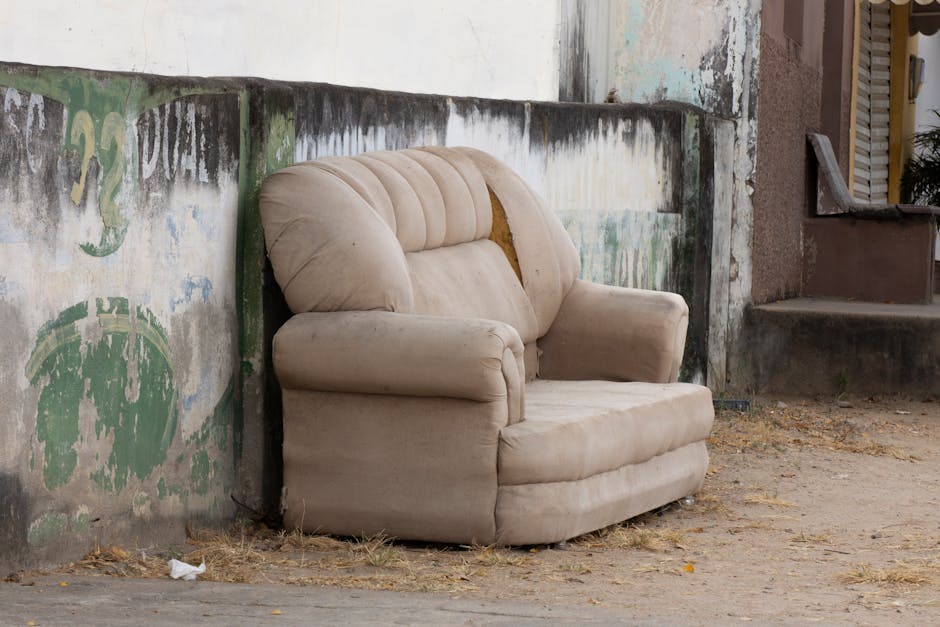
If you are moving house or helping a client move in Kingston, furniture disposal can become one of those last-minute jobs that suddenly carries real risk. A sofa left on the pavement, a wardrobe dumped beside a communal bin store, or a mattress pushed out too early can lead to complaints, cleanup costs, and in some cases fines. This guide on Furniture disposal fines Kingston Council what movers must know explains the practical side of staying compliant, avoiding fly-tipping trouble, and choosing the safest disposal route before moving day turns messy.
Truth be told, most problems do not begin with bad intentions. They begin with a rushed schedule, a full van, and someone saying, "We'll sort that later." Later is usually where the fine comes from. Below, you'll find a clear breakdown of what movers should do, what to avoid, and how to handle bulky items the sensible way.
Table of Contents
- Why this matters for movers in Kingston
- How furniture disposal and fines typically work
- Key benefits of doing it properly
- Who needs this guidance
- Step-by-step guidance
- Expert tips for smoother disposal
- Common mistakes to avoid
- Tools, resources and recommendations
- Law, compliance and best practice
- Options and comparison table
- Real-world example
- Practical checklist
- Conclusion
- Frequently asked questions
Why Furniture disposal fines Kingston Council what movers must know Matters
Furniture disposal sounds simple until you are standing outside a property with a heavy sofa, a ticking booking slot, and nowhere obvious to put it. In Kingston, as in most London boroughs, bulky items left out incorrectly can quickly attract attention. Councils take a fairly firm view on fly-tipping, obstruction, and items dumped where they should not be. Movers who understand the local risk tend to save themselves time, stress, and awkward conversations with clients.
Why does it matter so much? Because the responsibility does not magically disappear when the moving crew arrives. If furniture is abandoned on the street, left in a communal area without permission, or moved into an unsuitable disposal route, the homeowner, occupier, landlord, or contractor may all end up dealing with the fallout. And yes, that can mean enforcement action, cleanup charges, or a complaint that lingers longer than the move itself.
There is also a reputation angle. A mover who handles old furniture carefully is seen as organised and trustworthy. One who shrugs and says "just leave it there for now" can look careless very quickly. In our experience, clients remember the disposal part almost as much as the unpacking. Especially if a hallway is blocked by a cracked chest of drawers on a wet Thursday evening. Not ideal.
How Furniture disposal fines Kingston Council what movers must know Works
At a practical level, furniture disposal fines are usually tied to improper waste presentation, illegal dumping, or failing to use an approved disposal route. The council's enforcement approach can vary, but the underlying principle is consistent: furniture must be disposed of lawfully and placed only where permitted. If an item ends up on public land without authorisation, that can be treated as fly-tipping or a waste offence.
For movers, this means a few things:
- You should know whether the item is being reused, collected, donated, recycled, or discarded.
- You should confirm who is responsible for arranging disposal.
- You should not leave bulky furniture in a location that could create an obstruction or invite enforcement action.
- You should keep clear records of where waste goes if you are handling disposal professionally.
In a typical move, an item may be removed in one of several ways. It can be retained by the client, passed to a reuse route, collected as part of a furniture pick-up, or taken away for recycling or disposal. The risk starts when the route is unclear. A driver who is trying to finish a job fast may be tempted to "park it somewhere safe" outside the property. That is precisely the sort of decision that turns into a fine or complaint later on.
To be fair, the council is not looking to punish sensible people for genuine mistakes. But enforcement usually becomes less forgiving when items are dumped carelessly, repeatedly, or in a way that suggests the person should have known better. Movers must know the difference between temporary placement with permission and abandonment without it. It sounds obvious, but under pressure, obvious things get skipped.
Key Benefits and Practical Advantages
Handling furniture disposal properly is not just about avoiding fines. It creates a cleaner, calmer move and reduces friction with everyone involved. Here are the main benefits that matter in the real world.
- Less legal and financial risk: Proper disposal helps reduce the chance of penalties, complaints, and avoidable extra costs.
- Better move-day flow: A clear plan stops bulky items from clogging hallways, lifts, and loading areas.
- Stronger client trust: People like movers who seem calm, tidy, and organised. Small thing, big effect.
- More recycling and reuse: Furniture that can be repaired or reused is less likely to go straight to waste.
- Cleaner site handover: Landlords, letting agents, and new occupants appreciate a property left properly cleared.
There is another practical advantage that gets overlooked: time. When everyone knows what happens to old furniture, the job tends to run smoother. No one is phoning around at 4pm trying to find a scrap solution for a sofa with one wobbly leg and a very determined smell. You know the sort.
If you want a disposal process that is more efficient from the start, services such as furniture pick-up can help streamline the end of a move, especially when a client wants bulky items removed quickly and responsibly.
Who This Is For and When It Makes Sense
This guidance is for anyone who may be involved in furniture removal in or around Kingston. That includes homeowners, tenants, landlords, letting agents, removals crews, man and van operators, office movers, and small businesses clearing premises before a handover.
It makes particular sense when:
- a move is happening in stages and some furniture is being left behind;
- the client has large items that will not fit in standard domestic bins;
- the property has limited access or narrow streets;
- there is pressure to clear the place quickly before inventory, checkout, or sale completion;
- the furniture is damaged, unsellable, or no longer safe to use;
- the move includes office, rental, or commercial premises with different responsibilities.
For domestic moves, support from a home moves team or experienced house removalists can make it much easier to separate keep, recycle, and dispose decisions before the van is loaded. For business or premises clearances, a planned commercial move or office relocation service is often a better fit than trying to improvise at the end.
If the item is still usable, not everything has to be treated as waste. That distinction matters. A lot. And it saves money too.
Step-by-Step Guidance
Here is a sensible process movers can follow before furniture disposal becomes a problem.
- Sort items early. Separate furniture into keep, sell, donate, reuse, recycle, and dispose piles before moving day if possible.
- Check what the client actually wants. Do not assume every old chair is waste. Ask. It takes thirty seconds and avoids confusion.
- Inspect access and collection points. Narrow stairs, shared courtyards, and tight parking can affect how items are removed safely.
- Choose the right disposal method. Reuse is best where suitable; recycling or specialist collection is better for bulky or awkward items.
- Keep items off public land unless permitted. Never leave furniture outside just because it is inconvenient inside. That is how trouble starts.
- Use suitable equipment and vehicles. Heavy or awkward items may need a proper moving truck or the right crew size to avoid damage.
- Confirm the end destination. A reputable disposal route matters more than speed.
- Document the handover. A simple note, job record, or customer confirmation can be useful if questions arise later.
One small but useful habit: photograph the item before it leaves the property, especially if the client is likely to ask what happened to it later. It is not about being fussy. It is about being clear.
For heavier or more awkward items, a specialist service like mattress and sofa disposal or fridge and appliance removal may be more appropriate than treating everything as general waste. Different materials, different handling. Simple as that.
Expert Tips for Better Results
Good disposal is often about small decisions made early. The best movers do not wait until the van doors are open and the floor is covered in packing paper. They plan around the item.
- Plan for bulky items first. Sofas, wardrobes, beds, and appliances often dictate the rest of the load.
- Protect communal areas. Use lifting protection and avoid scraping walls, bannisters, or lifts. That sound of timber knocking a painted corner? Everyone hears it.
- Ask about reuse before disposal. Some furniture can be passed on, but only if it is clean and safe enough to do so.
- Choose the right disposal route for the material. Wood, metal, textiles, and electrical items may need different handling.
- Work with services that understand sustainability. A recycling-led approach is usually better than a last-minute dump-and-run mentality.
Where possible, check whether the client wants packing support too. A move that includes packing and unpacking services often runs more smoothly because the team knows what is being kept, what is being cleared, and what needs special handling. That clarity really helps.
And yes, sometimes the smartest thing is to say no to a rushed shortcut. Not every job needs heroics. Some need a second look and a proper plan.
Common Mistakes to Avoid
The same mistakes crop up again and again. They are easy to make, which is why they deserve attention.
- Leaving furniture on the pavement "just for a minute": That minute can become a formal issue very quickly.
- Assuming the council will collect anything, anytime: Local collection processes can have limits, and not everything is covered in the way people expect.
- Mixing reusable items with damaged waste: It makes sorting harder and can contaminate otherwise usable goods.
- Ignoring access constraints: A wardrobe that fits through one hallway may not fit through another. Obvious, but easy to forget when people are tired.
- Not agreeing responsibility in advance: If the client, mover, and landlord all assume someone else is sorting disposal, you get a very awkward ending.
- Using an unsuitable vehicle: A small van can be fine for one chair, less fine for a full flat of mixed furniture.
One practical warning: if furniture is placed near bins, gates, or shared entrances, it can be treated as abandoned even if someone intended to remove it later. Intent matters less than the visible situation. That is why timing and communication matter so much.
Tools, Resources and Recommendations
There are a few practical tools and service categories that help reduce disposal headaches.
- Furniture pick-up service: Useful when the client wants a direct, tidy collection rather than leaving items behind for later.
- Removal truck hire: Helpful for larger moves where bulky items need safe transport and loading space.
- Recycling-focused disposal: Best when the goal is to keep usable materials out of general waste.
- Specialist disposal for specific items: Mattresses, sofas, appliances, and hazardous items should be treated carefully.
- Safety and insurance information: Always worth checking before any heavy lifting or property clearance work begins.
For teams that want a cleaner operational setup, it can also help to review recycling and sustainability, insurance and safety, and health and safety policy information before handling bulky waste. That may sound a little formal, but on a busy move day the formal stuff saves time.
If a client is trying to work out what can be loaded into a skip or mixed waste container, what can go in a skip is a useful reference point for thinking about sorting and segregation, even when a skip is not the final choice.
Law, Compliance, Standards, or Best Practice
Furniture disposal is one of those areas where common sense, property rules, and waste law overlap. You do not need to be a legal specialist to stay safe, but you do need to avoid casual assumptions.
In plain English, the safest best practice is this:
- do not dump furniture on public land;
- do not place items where they block access or create a hazard;
- use a lawful collection or disposal route;
- keep evidence of responsible handling where relevant;
- ensure the client understands what is happening with unwanted items.
Professional movers should also think about duty of care in a practical sense. If you are handling removal for someone else, you should know where waste is going and whether the method is appropriate for the item type. That applies especially to electrical units, fridges, broken furniture, and anything that might need specialist treatment.
Best practice is not about overcomplicating the job. It is about reducing the chance of avoidable enforcement and making sure the property is left in a proper condition. A clean handover is worth more than a rushed finish.
Options, Methods, or Comparison Table
There is no single disposal method that fits every situation. The right choice depends on condition, timing, access, and cost. Here is a simple comparison.
| Option | Best for | Pros | Watch-outs |
|---|---|---|---|
| Reuse or donation | Clean, safe furniture with remaining life | Environmentally friendly, often cost-effective | Only suitable if item is in good enough condition |
| Furniture pick-up | Quick removal of bulky household items | Convenient, simple for clients | Needs clear scheduling and access |
| Specialist disposal | Sofas, mattresses, appliances, awkward items | Better handling, less risk of damage or non-compliance | May need separate booking or handling rules |
| General van clearance | Small, straightforward loads | Flexible and fast | Not ideal for mixed waste or larger clearances |
| Skip-style sorting | Jobs with a lot of mixed bulky material | Good for organised clear-outs | Must still respect what is suitable to load |
For many movers, the sweet spot is a combination approach: reuse what can be reused, remove what must go, and use a service that can manage both the lifting and the responsibility around disposal. That keeps things much neater.
Case Study or Real-World Example
Imagine a two-bedroom flat in Kingston with a sofa, a bed frame, one broken wardrobe, and an old appliance to clear before handover. The move is booked for Friday afternoon, the keys are due back on Monday, and the client is already slightly overwhelmed. Happens all the time.
If the movers arrive without a disposal plan, the sofa may end up in the hallway while decisions are made, the wardrobe could be broken down in a rush, and someone might suggest leaving the appliance outside for "collection later." That is exactly where things can go sideways.
A better approach is simple:
- confirm in advance what stays and what goes;
- identify which pieces need a specialist disposal route;
- protect the building while moving bulky items;
- load and remove items directly rather than staging them outside;
- leave the property clear and tidy, with no public-space dumping risk.
The result is calmer, quicker, and much less likely to end in a complaint. The client can focus on the new home instead of worrying whether the old sofa is going to become an enforcement headache by Saturday morning.
If a move is especially busy, a booked-in man with van or flexible man and van setup can be a practical way to handle bulky items without overcomplicating the day.
Practical Checklist
Use this checklist before you remove or dispose of furniture in Kingston.
- Have you confirmed which items are being kept, donated, recycled, or thrown away?
- Has the client agreed who is responsible for disposal?
- Are any items too large, heavy, fragile, or awkward for a standard lift?
- Could the item be reused rather than treated as waste?
- Do you know whether the item needs specialist handling?
- Are you avoiding any placement on pavements, communal entrances, or other public areas?
- Do you have the right vehicle and crew size for safe removal?
- Have you checked the property access and parking situation?
- Will the disposal route leave a clear record if needed?
- Has the final handover been left clean and obstruction-free?
If you can tick all of that off, you are already ahead of most rushed move-day problems.
Get a free quote today and see how much you can save.
Conclusion
Furniture disposal fines Kingston Council what movers must know is ultimately about one thing: do not treat bulky items as an afterthought. A few minutes of planning can prevent fines, cleanup issues, neighbour complaints, and a lot of unnecessary stress. Movers who sort disposal properly are usually the ones who finish jobs cleanly and get called back again.
Whether the job is a home move, a flat clearance, or a commercial relocation, the winning formula is the same: agree the plan early, move items safely, use the right disposal route, and leave no loose ends sitting on the street. Simple enough, really. Not always easy, but definitely worth doing well.
And once it is done properly, the whole place feels lighter. Less clutter, less noise, less hassle. That is a good feeling at the end of a long day.
Frequently Asked Questions
Can Kingston Council fine me for leaving furniture outside my property?
Yes, if furniture is left in a way that amounts to fly-tipping, obstruction, or improper waste disposal, enforcement action may follow. The safest approach is to use a lawful collection route and avoid placing items on public land without permission.
Who is responsible for furniture disposal during a move?
That depends on the agreement between the client and the mover. In many cases, the property owner or occupier remains responsible unless disposal has been clearly arranged as part of the service. It is best to confirm this before moving day.
What should movers do with a sofa that is no longer wanted?
They should check whether it can be reused, collected, or removed through a suitable disposal service. A sofa should not be left in a communal area, on a pavement, or beside bins unless an authorised collection has been arranged.
Are mattresses treated differently from other furniture?
Often, yes. Mattresses can be bulky and awkward to handle, so specialist disposal is usually a better choice than ad hoc removal. They are best managed through a proper collection or disposal route.
Can a mover just take unwanted items to a nearby street if there is no space?
No, that is exactly the kind of shortcut that creates problems. If there is no legal place to leave the item, it should remain on private property until an approved collection or disposal method is available.
Is it better to recycle furniture or send it to general waste?
Recycling or reuse is usually the better option where possible. It is more sustainable and often cleaner from a practical point of view. General waste should be the last resort, not the first thought.
Do movers need proof of where furniture was taken?
It is a smart practice to keep records, especially if you are handling disposal professionally. Clear job notes, photos, or handover confirmation can help if a question comes up later.
What furniture items cause the most problems on move day?
Sofas, wardrobes, bed frames, mattresses, and large appliances are the usual troublemakers. They are heavy, awkward, and often too big for a quick last-minute decision.
How can I avoid furniture disposal fines if I am under time pressure?
Agree the disposal plan early, keep items off public land, use a suitable collection method, and do not guess. If you are short on time, book a service that can handle removal quickly and properly rather than improvising.
Is furniture pick-up useful for landlords and letting agents?
Yes, especially where a property needs to be cleared between tenancies or before handover. It keeps the process tidy and reduces the chance of messy last-minute dumping.
What is the safest approach if I am not sure whether an item counts as waste?
Treat it as something to clarify before the move rather than deciding in the moment. If there is any doubt, sort it into a separate plan and confirm whether it should be reused, recycled, or removed as waste.
Where can movers find extra help for heavy or awkward items?
Look for services that handle bulky furniture, appliance removal, and safe loading. If the move includes special items, a combination of careful planning and the right removal service is usually the best route. It keeps the whole day a lot calmer.